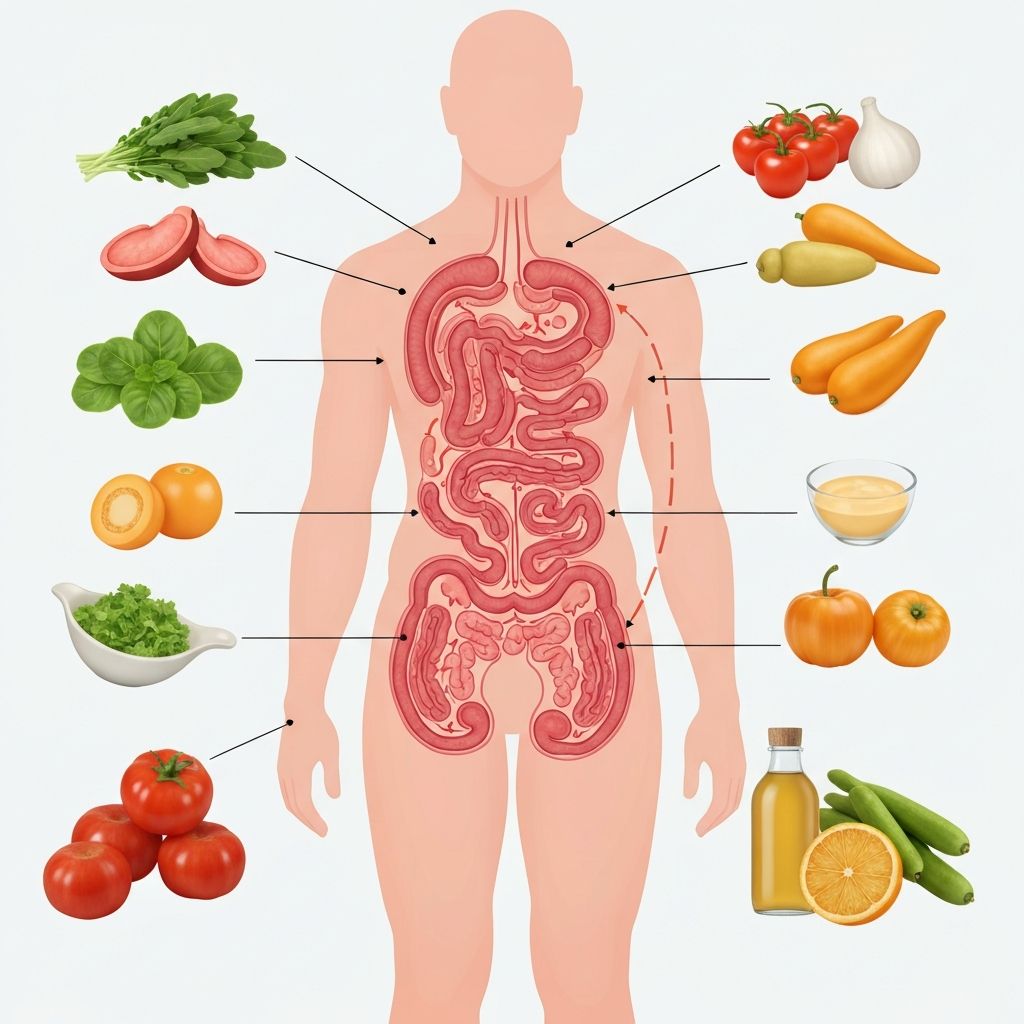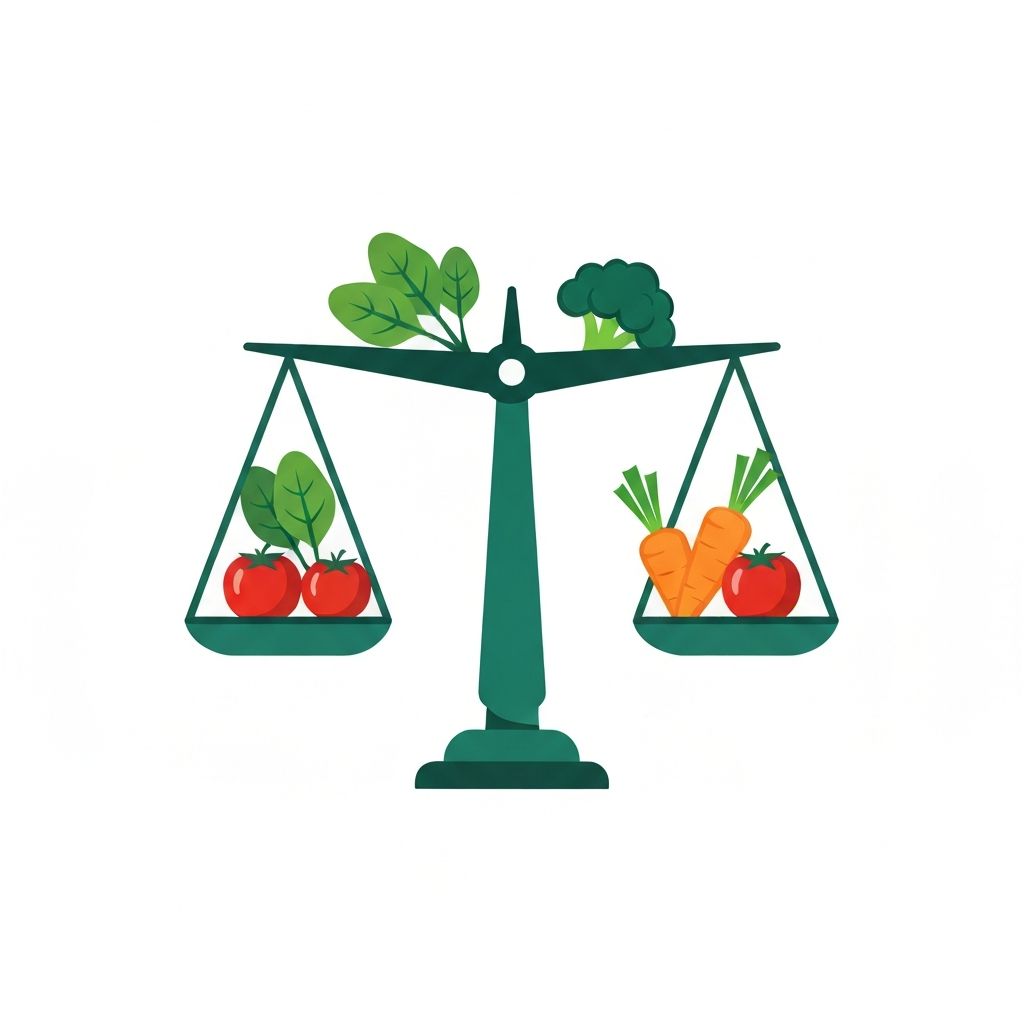
Energy balance refers to the relationship between energy intake—the calories consumed through food and beverages—and energy expenditure—the calories used by the body for maintenance, activity, and metabolic processes. This represents one of the most fundamental concepts in nutrition science and human physiology.
The laws of thermodynamics apply to biological systems. When energy intake exceeds expenditure, the body stores excess energy, primarily as fat tissue. When expenditure exceeds intake, the body mobilizes stored energy reserves. When these forces balance, body composition remains relatively stable.
However, energy balance operates within complex biological systems involving numerous hormones, neurotransmitters, and metabolic pathways. It is not a simple mechanical equation, but rather a dynamic process involving continuous regulation and adaptation.